 Online store
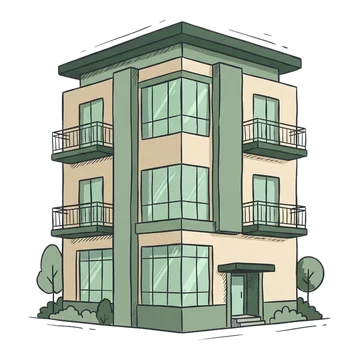 Real estate development website
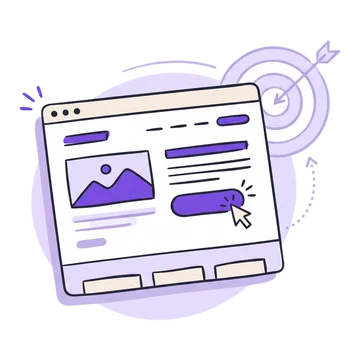 Campaign landing page
 Immersive website
 Restaurant website
 Dental clinic website

Process
Five stages. A budget cap for each. No surprises on the invoice.
The same order in every project, from a campaign landing page to an online store. The scope and timing change, the way of working doesn’t.
- 01
Discovery
A conversation about your goals, an audit of your current site and competitors. For larger projects we meet in person.
- 02
Design
Structure, copy and design in Figma. You approve the design before a single line of code is written.
- 03
Build
Custom code for your design, integrations, fast loading and technical SEO.
- 04
Testing and launch
Checks on phones and computers, conversion tracking and the domain switch.
- 05
Growth
I watch the data after launch and fix the places where customers get stuck.
How long it takes, roughly
- Company website1 to 2 weeks
- Immersive website1 to 4 weeks
- Campaign landing page2 to 4 weeks
- Restaurant website2 to 4 weeks
- Dental clinic website2 to 4 weeks
- Real estate development website2 to 6 weeks
- Online store9 to 18 weeks
The pace depends mostly on how quickly materials and feedback arrive. You get a detailed plan together with the quote.
What happens at each stage.
- 01
Discovery
I get to know your company, your customers and what you would call a successful project. Without that, every design decision would be guesswork.
- A conversation about goals and budget
- An audit of your current website: tech, content, navigation
- Competitor analysis
- Brief and project plan
From you
A kick-off meeting and access to materials: logo, photos, copy.
- 02
Design
We agree what the website looks like and what it says. This is the stage where changes are cheapest, so it gets the most attention.
- Site structure and the path to contact or purchase
- Copy and message hierarchy
- Design in Figma, for mobile and desktop
- One or two rounds of revisions
From you
Reviewing and approving the design before I start building.
- 03
Build
I turn the approved design into a working website. The priority is loading speed and smoothness on mobile.
- Custom code for your design
- Integrations: payments, bookings, order systems
- A panel for editing content yourself
- Technical SEO and structured data
From you
Access to accounts. You can follow progress on a preview whenever you like.
- 04
Testing and launch
I check every path the way your customer will, before they actually do.
- Tests on different phones and browsers
- Conversion tracking and cookie consent
- Redirects from old URLs
- Domain switch
From you
Signing off the website and a short walkthrough of the panel.
- 05
Growth
Real customers always behave a little differently than testers. After launch I look at the data and fix what needs fixing.
- Post-launch data review
- Fixes where customers get stuck
- A plan for further development
From you
Feedback from customers and a short summary.
Five meetings, each with a clear purpose.
Between meetings I take the work on myself and collect small questions into batches. On smaller projects some meetings are combined into one.
Kick-off meeting Goals, customers, materials and plan. For larger projects, in person at your place. | 1 to 5 h |
Project direction Audit findings and agreeing the visual and messaging direction. | 1 h |
Design review Going through the screens and copy together, in one or two rounds. | 1 to 4 h |
Sign-off and walkthrough Checking the finished website and showing you how to edit content yourself. | 1 to 3 h |
Post-launch review First data, fixes made and the plan going forward. | 1 h |
Usually 5 to 15 hours of your time in total
depending on the size of the project. For larger projects I travel to the first meeting.
A new website without losing what already works.
Google rankings, links and customer habits are the capital of your old website. When moving, I make sure none of it gets lost.
- 01
A baseline
Before we change anything, we record the numbers from the old website: traffic, conversion, traffic sources and Google search terms.
- 02
Tracking from day one
GA4, Search Console and Consent Mode. We also account for visitors who decline cookies.
- 03
301 redirects
Every old URL gets a new equivalent, so you keep your Google rankings.
- 04
Content and metadata
Titles, descriptions and structured data are moved over and improved. The sitemap goes to Google on launch day.
- 05
Testing every path
Forms, contact buttons and, in a store, every way into checkout, checked with a real action.
- 06
Watching after launch
For the first two weeks I check 404 errors, forms and data every day.
You know where every hour goes.
First how billing works, then an example of how I plan the budget. Platform fees, paid apps and third-party systems stay on your side.
Hourly rate
You pay for the actual time spent. After each stage you get a time report.
A cap for every stage
Before we start, we agree a maximum budget for each stage. If I go over it, the extra is on me.
Faster means cheaper
If a stage goes more smoothly than planned, you pay less. There's no flat fee to 'use up'.
Example: the design stage is capped at 40 hours. It takes 34, you pay for 34. It takes 46, you pay for 40.
How I plan the budget
Using the example of a company website. Most of the time goes into discovery and design, because that is where changes are cheapest. A well-designed site is quicker to build, and post-launch fixes are small rather than structural.
- Discoverygoals, audit, competitors
- Design and copystructure, UX, design
- Buildcode, integrations, speed
- Content and SEOcopy, photos, metadata
- Testing and launchdevices, tracking, domain
- Post-launch growthdata-driven fixes
Simple rules, good intentions.
Contract
Based on both sides’ good intentions and the success of the project, with a commitment to take an active part: feedback and support with your vision.
Freedom to end
Either side can end the collaboration at any time. The contract ends once the current stage is delivered.
Revisions
Feedback is collected methodically, in one or at most two rounds per stage, discussed in detail and written down.
After the project
A full handover of the website, design files and documentation, or ongoing support and development, agreed separately.